The Hidden Risk in Aviation’s Supply Chain

  • 20 Oct 2026
  • Compagnie Française d'Assurance pour le Commerce Extérieur (Coface)
ADVERTORIAL

The aviation industry is entering a new phase of growth. Passenger demand remains strong, airlines continue to expand networks, and aerospace companies across the value chain are investing to meet future demand. Yet alongside these opportunities comes a growing challenge: resilience.

According to the International Air Transport Association (IATA), global passenger traffic is expected to reach 5.2 billion travellers in 2026, while airlines are forecast to achieve a record average passenger load factor of 83.8%. At the same time, aircraft shortages, delivery delays, engine maintenance bottlenecks and supply chain constraints continue to limit capacity across the industry. The sector is carrying an order backlog exceeding 17,000 aircraft, equivalent to nearly 12 years of production at current manufacturing rates.

This combination of strong demand and constrained capacity is creating pressure across the aviation ecosystem. Airlines are relying more heavily on existing fleets and critical service providers, while manufacturers, MRO providers and suppliers face tighter delivery schedules, higher inventory requirements and increased exposure to financially stressed counterparties.

In an industry where every link matters, operational resilience is increasingly tied to financial resilience.

When Financial Risks Become Operational Risks

Aviation has always been a highly interconnected industry. Airlines depend on aircraft manufacturers, lessors, MRO providers, parts suppliers, fuel providers, logistics partners and ground handling operators. In turn, these organisations rely on their own networks of suppliers, subcontractors and customers.

When one part of the chain experiences financial stress, the effects can spread quickly.

A supplier facing liquidity pressures may struggle to secure inventory or maintain production schedules. A service provider may encounter staffing challenges or longer turnaround times. A customer experiencing cash flow difficulties may delay payments, creating downstream pressure for businesses that depend on predictable receivables.

With airlines extending aircraft lifecycles due to delivery delays and fleet shortages, demand for maintenance and aftermarket services has become even more critical. An MRO provider may have the expertise, workforce and customer demand to grow, yet still face disruption if a specialist supplier encounters financial difficulties. Likewise, a manufacturer may meet production targets but experience delays when a lower tier supplier struggles with working capital or inventory financing.

Looking Beyond Traditional Risk Indicators

Aviation businesses have long excelled at managing operational risk. Supplier assessments typically focus on certifications, quality systems, safety standards, technical capabilities and delivery performance.

These measures remain essential, but they do not always reveal a company’s financial resilience.

A business partner that has performed consistently for years may still face pressure from higher borrowing costs, increased working capital requirements, labour shortages or slower customer payments. By the time operational impacts become visible, financial stress may have been building for months.

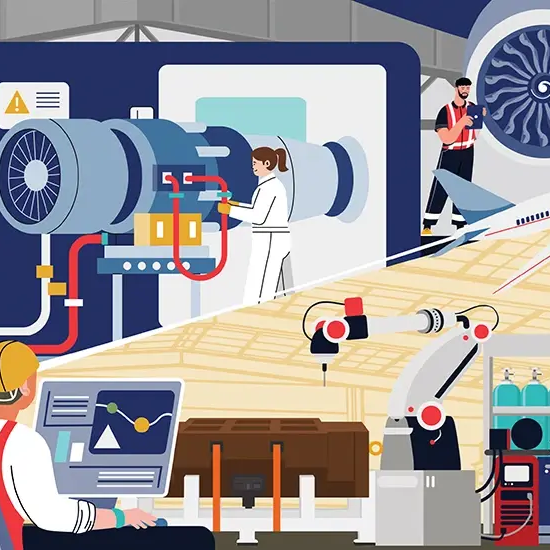
Recent findings from Coface’s Asia Pacific Payment Survey suggest that gradual increases in payment delays often receive insufficient attention in their early stages. For aviation companies, the lesson is clear: warning signs rarely appear overnight. They often emerge through changing payment behaviour, weakening financial performance, deteriorating liquidity or adverse developments within a sector or market.

Image: Coface

What Resilient Aviation Businesses Are Doing Differently

Leading aviation organisations are broadening their approach to risk management.

Alongside operational assessments, they are incorporating financial resilience into supplier, customer and partnership decisions. This includes monitoring the financial health of critical counterparties, assessing concentration risks, evaluating new business relationships and tracking changes in creditworthiness over time.

This broader perspective reflects today’s aviation landscape. Airlines continue to operate amid aircraft shortages, high utilisation rates, maintenance constraints and supply chain bottlenecks. Understanding potential vulnerabilities across the value chain is becoming increasingly important.

For a Singapore based aerospace manufacturer supplying global customers, that may mean assessing the financial strength of buyers in unfamiliar markets. For an MRO provider, it could involve monitoring airline customers while evaluating the resilience of critical suppliers.

To gain this visibility, many businesses are increasing their use of external business intelligence. Access to company financial information, credit assessments, payment behaviour insights and ongoing monitoring can help identify emerging risks across customers, suppliers and business partners before they affect operations. For companies operating across international supply chains, timely intelligence can provide added confidence when evaluating new opportunities or managing existing relationships.

From Risk Visibility to Competitive Advantage

The objective is not to eliminate risk. Aviation will continue to face economic cycles, geopolitical developments, fuel price volatility and supply chain disruption.

The objective is to make better informed decisions.

Business information solutions, such as those provided by Coface, help organisations build a clearer picture of the companies they work with by combining company data, credit insights, payment experience and risk monitoring. This allows businesses to make decisions with greater confidence, whether they are evaluating a new customer, assessing a supplier or entering a new market.

Image: Coface

You May Also LikeAAIS