Aerospace, Community-youth, Featured-articles, Features-people, Global, Innovation, Singapore, Uas, Youth


SpaceX’s telecommunications subsidiary, Starlink, has unveiled a new Space Situational Awareness (SSA) system known as Stargaze, aimed at enhancing safety for satellite operations in low Earth orbit. The system will be made available to satellite operators at no cost to strengthen industry collaboration and safety.
Stargaze represents a step-change in detection capability compared to conventional ground-based systems. Its network draws on data from nearly 30,000 star trackers, which are navigation sensors mounted aboard the Starlink satellite fleet that survey the stars to determine precise satellite locations. These sensors enable the detection of up to 30 million transits per day. In contrast, Starlink notes that traditional ground-based SSA systems are limited by infrequent observations, often tracking objects only a few times per day. This causes large uncertainties in orbital predictions, further compounded by volatile space weather.
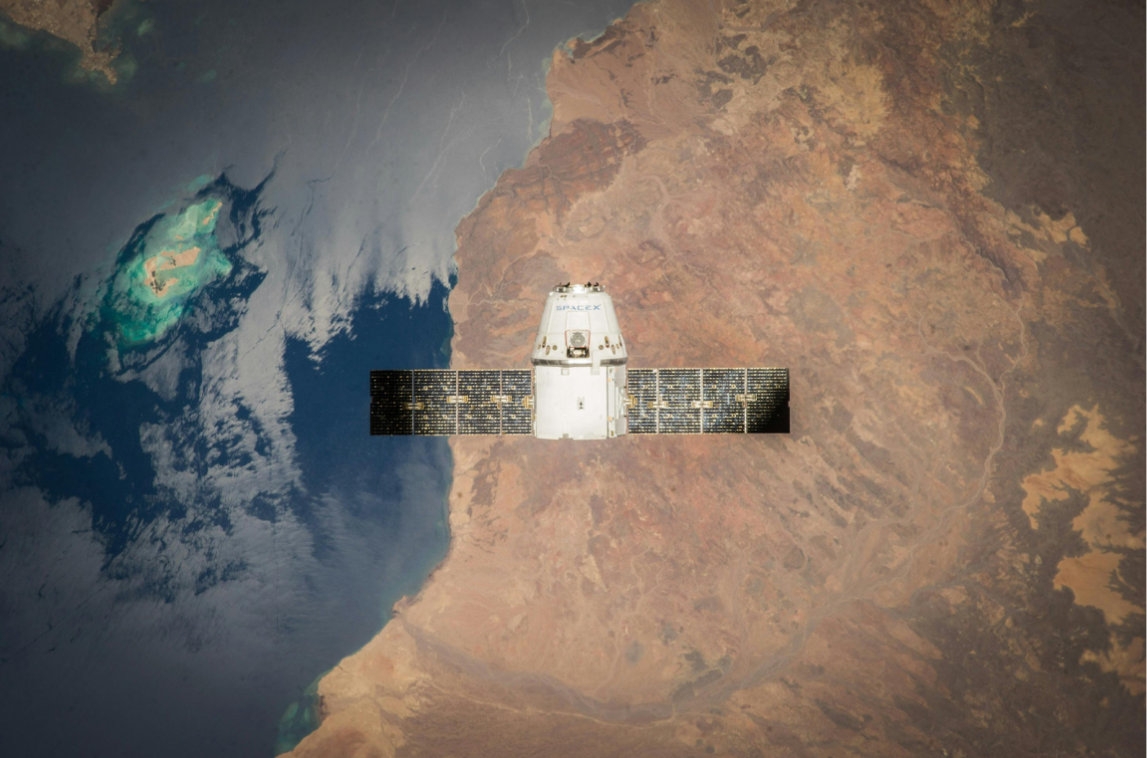
SpaceX Spacecraft. Photo: SpaceX
To further improve tracking fidelity and robustness, Stargaze is also encouraging the sharing of ephemeris data, or predicted satellite trajectories, from collaborating operators. Drawing a parallel with commercial aviation, Starlink emphasised the importance of coordination and transparency: “There are hundreds of thousands of flights of aircraft daily, but they are able to avoid collisions because they broadcast their location and flight plan to other aircraft. Similarly, spacecraft operators should follow this minimal standard of sharing their predicted trajectory.” Starlink updates its ephemeris data every hour and recommends this as a benchmark for operators using the Stargaze system, to support standardisation across the sector.
The company also highlighted practices it deems unsustainable and unsafe, including leaving rocket bodies in low Earth orbit, failing to share trajectory predictions, and the conduct of anti-satellite tests. Starlink has previously encountered multiple near-misses involving its satellites, including a conjunction of approximately 200 metres between a Starlink satellite and a payload from a Chinese launch last December.
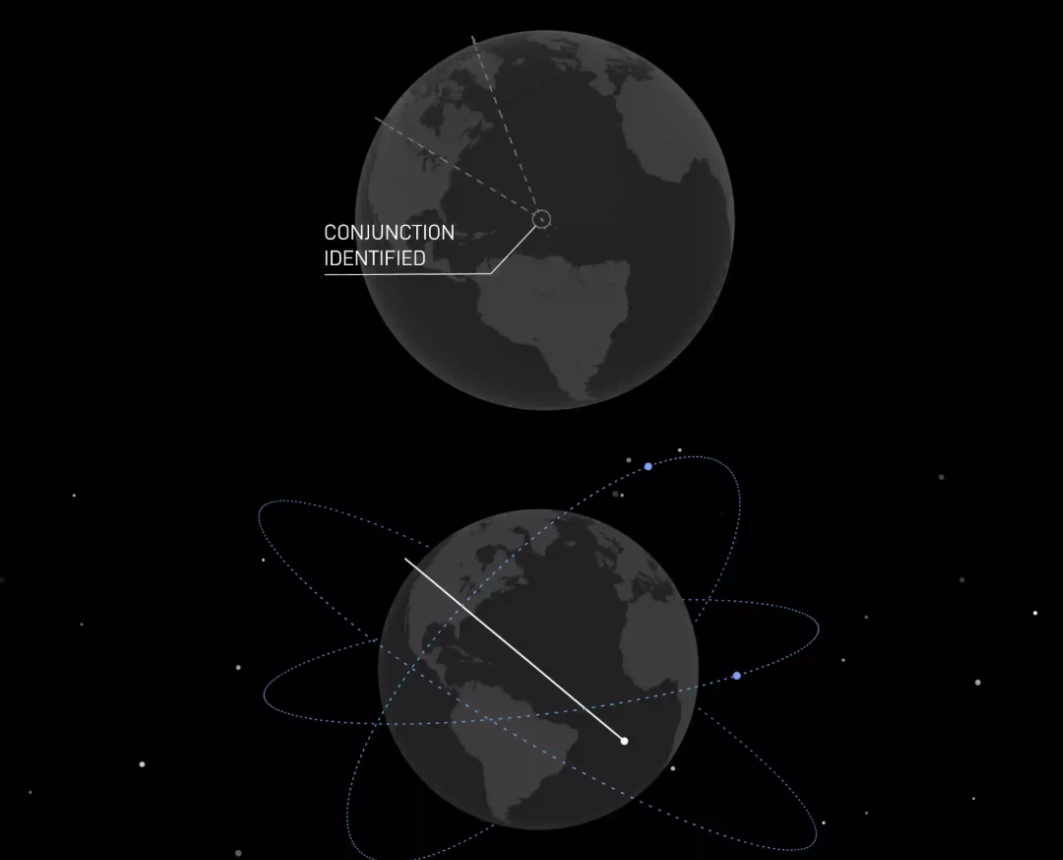
Visual Demonstration Of Satellite Tracking. Photo: Starlink
The company reports that Stargaze has already demonstrated operational value, citing a case where a projected miss distance of 60 meters between a Starlink satellite and a third-party satellite was identified early, allowing for a timely avoidance manoeuvre. According to Starlink, reliance on radar systems and high-latency conjunction screening processes would have allowed a collision to occur in such scenarios.
Earlier, Starlink had announced plans to lower the orbits of 4,400 of its satellites as part of broader risk mitigation and safety measures. Taken together with the unveiling of Stargaze, these efforts signal a more assertive stance by the company to improve safety and operational discipline of spaceflights in low Earth orbit.


Welcome to the Aerospace Singapore Digital beta site! Feel free to explore, leave your feedback, or sign up for our mailing list!
Sign up for our free newsletter and never miss a beat! Be the first to know about our latest articles, latest news and trends in our industry.